to create a different kind of family law firm.
20
years ago we set out
One built on compassion, trust and always putting our clients’ goals first.
-
There is nothing more personal or important than your family and your future when a marriage is ending.
Our attorneys represent clients in divorce court, in litigation, in uncontested divorces, in out of court settlements and in collaborative law. Some of our attorneys also serve as mediators in divorce, and as a court-appointed or agreed-upon Guardian ad Litem for a child or children or as a Guardian in divorces.
Our team of attorneys is experienced in taking a client from the divorce “consultation” through the process that meets the client’s needs. We are experienced in divorce litigation, court arguments, court motions and trials. We are also experienced in negotiation, collaborative law, mediation, uncontested divorces and settlement. Once we learn more about you, in the initial divorce consultation we will recommend a legal strategy that fits your needs.
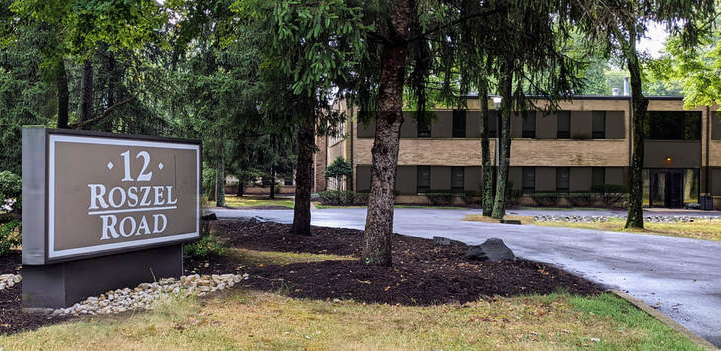
We know the special struggles of clients living in Central New Jersey. Housing costs and taxes are high. Children are often involved in expensive and rewarding travel teams, music lessons and extracurriculars. Commuting to New York is no joke; and working at home brings its own struggles. Our attorneys understand these issues, and we use that knowledge to understand your situation, and your legal needs. Our offices are located on the Rt. 1 Corridor outside of Princeton, and firm clients come mostly from towns in Central New Jersey, such as West Windsor, Princeton Jct., Burlington, Cranbury, East Windsor, Ewing, Hamilton, Hamilton Square, Hightstown, Hillsborough, Borough of Hopewell, Hopewell Township, Bordentown, Kingston, Franklin Township, Lawrence, Montgomery, Pennington, Plainsboro, Princeton, Robbinsville, Rocky Hill, South Brunswick, Trenton and Yardville, and East Windsor. We accept clients in other locations on a case-by-case basis.
Our two partners are also practicing mediators. In this process, the attorney is acting as a neutral third party, and does not represent either party. See “Mediation” for more information about our mediation services.
-
This process is all out-side-of court, and involves sharing financial information and experts, like accountants, therapists, appraisers and others.
Attorneys Mia Cahill, Beth Smith and Grace Dennigan are trained and practicing collaborative law attorneys. They have represented clients in multiple collaborative law divorces in Central New Jersey and the greater Princeton area.
We are part of the collaborative divorce practice group called the Mid-Jersey Collaborative Law Alliance. We work with collaborative attorneys throughout New Jersey, and are part of the New Jersey Council of Collaborative Practice groups New Jersey Collaborative Divorce – Divorce Without Court. Attorneys Mia Cahill and Elizabeth Smith are also members of the International Academy of Collaborative Professionals. You can find out more about this group here: https://www.collaborativepractice.com/what-collaborative-practice.
Collaborative law, is a process, not an end result. It is well-suited to divorces, and we represent clients in their collaborative divorces. New Jersey recognized the value of collaborative divorce by adopting a law the set out the process, and provides clients certain protections. https://law.justia.com/codes/new-jersey/title-2a/section-2a-23d-5/. Clients have lawyers, and have all of the attorney-client confidences and advice that litigation clients have. But in collaborative divorce, everyone—the clients, the attorneys, and the neutral professional (called a coach), all agree to negotiate, listen to each other, remain child-centered where appropriate, and to come to an agreement without stepping foot in a courtroom.
This process begins when the attorneys and clients sign a collaborative law participation agreement. The next step will be to set up a meeting with everyone, and to set out the overall plan, sometimes called a collaborative roadmap, to help the clients come to a global agreement. Like other non-litigation processes, it relies on both parties being forthcoming, and providing all relevant requested information. Sometimes an expert, like an accountant is needed. Wisely, collaborative divorce just uses one person or firm for this, who serves everyone; not just one side.
A collaborative divorce typically results in a signed agreement, resolving all issues. The attorneys then represent the clients in what is an “uncontested” divorce, normally doing this through court submissions rather than an in-person appearance at court. In the unlikely event that no final agreement is reached, because one of the client quits the process, or there is some other unusual event, the collaborative law process ends early, and the clients will need to turn to litigation with different attorneys, and proceed in in an adversarial process.
We counsel clients about collaborative divorce, and if their case might be right for this process. We wish every family could proceed in a dignified, efficient, confidential and child-centered way of divorcing, but there are sometimes reasons why a collaborative divorce is unlikely to work for some clients. This is a discussion our attorneys will have with you before recommending you proceed in a collaborative divorce.
-
Most cases settle. That’s a fact, but the when’s of the settlement and the how’s of the settlement are vital to the wellbeing of our client’s and when the family includes children; their wellbeing.
Our attorneys are adept at making the jump into and out of court. When appropriate to our client, we even conduct the entire divorce without clients ever stepping foot in a courtroom. Central New Jersey judges know the reality of out-of-court settlements, and permit divorce “on the papers” when both sides agree, so the couple avoids that final, often upsetting, court experience.
There are many ways to get a settlement, which are typically called a “Marital Settlement Agreement,” (MSA) or a Memorandum of Understanding (MOU). This is a private contract between two parties, and includes the substance of the agreement, as well as more general contract principles, like making sure no one is under duress, and everyone understand the agreement.
Call our office for a consultation this week, to learn more about this process as it applies to you.
Contact Us | 609.919.1600
Name
FirstLast
Email Address*
Phone Number
I am Interested In Meeting About The Following*
The use of this form as means of contacting this firm or any individual attorney of this firm will not establish an attorney‐client relationship, thus do not use this form to submit confidential or time‐sensitive information. (Read More)
-
Many couples have a period of relationship or physical separation before deciding to move forward to divorce or reconciliation.
We are sensitive to client’s feelings about the importance of their troubled relationship, and we encourage clients to do what they feel is right before moving forward in divorce. This is different for each client, and the legal impact of this depends on the circumstances. We are ready with referrals to couples counseling, when requested. Many clients see out advice during a period of “information gathering.” It’s always better to know the basic facts about the law before making a decision, as well as special considerations that might relate to an individual’s particular circumstances.
Some clients prefer to live separately without divorcing. In New Jersey, there is no special legal status of “separation.” The law does permit a “divorce from bed and board,” which is an imperfect approximation of a legal separation. If you are considering separating, we encourage a consultation before making a decision about this, as there are multiple legal issues that might affect you now, and in the future.
-
The most important question we ask our clients is, “How are the children?” Parents are naturally stressed, and often financially strained in a divorce.
We listen to our clients, and help develop a strategy to support them and their children in our legal work. In New Jersey, courts are required to consider certain factors like the parent’s ability to agree, cooperation, the interaction and relationship of the children with parents and siblings, the needs of the child, the stability of the home environment and other factors in the statute in court. Below is the link to the New Jersey Custody statute: https://law.justia.com/codes/new-jersey/title-9/section-9-2-4/#:~:text=In%20making%20an%20award%20of,time%20not%20based%20on%20substantiated.
We also represent clients in modifications of custody or parenting time orders. New Jersey child custody and parenting law anticipates that things may not stay the same for parents and separated families. Children change, parents change, and sometimes the parenting time or visitation schedules need to change too. We counsel clients in identifying and planning for these events, where possible. We represent clients on these post-judgment motions, mini-trials (called plenary hearings) and in negotiations. Call DCS to schedule a consultation to learn more if a substantial change in circumstances might apply in your situation.
At DCS, we know that statistically, few cases result in a full-blown trial or even the more issue-specific “plenary hearing.” We take advantage of that in our practice. At Dennigan Cahill Smith, LLC. we routinely negotiate out-of-court settlements on behalf of our clients that can serve our clients and protect their children from unnecessary parent conflict. Settlement can even occur before anyone files papers in court. We don’t have to wait until the “courtroom steps” to work out an agreement regarding the children. Sometimes though, children simply need the Court’s input in order for our clients to feel they are safe. We are experienced in custody and parenting time litigation, to represent clients in disputes about a schedule, holidays, preventing the other parent from placing children in unsafe situations, and other important issues.
Child support in New Jersey is informed by the “New Jersey Child Support Guidelines.” Most clients will see the Shared or Sole Parenting Worksheet at some point in their case, and we advise clients on how to work to achieve the right result for their children. Attached is the New Jersey Child Support “calculator” which might give some clients an idea of how this is calculated. https://www.njchildsupport.org/resources-forms/other-resources/guidelines-calculator/guidelines-calculator.aspx (not sure if this link works the best).
While the New Jersey Child Support Guidelines cover many families, other families are statistically defined as “high net income” families, which as of 2024, included families with combined net (meaning after-tax) incomes over $187,200 per year. Given the costs of living in our communities and other financial obligations this is extremely important to our clients. We help navigate this sometimes ambiguous process. In many instances, a court will determine additional child support to be paid or received, and clients need legal advice to help understand the issues at stake.
-
Mediation is one way to get a result. It’s a process, not an end in itself. If the aim is to get a fair settlement, mediation can be a way to get there.
In divorce, this method of dispute resolution is so important, and so widely-used that the civil Courts have even made it mandatory to attend twice in divorce litigation. First, clients with children will be required to attend custody mediation, if they are in litigation. Second, clients will be required to attend post-ESP mediation, if their case is not settled by the time of the Early Settlement Panel (ESP). In addition to representing clients in cases, both Mia Cahill, Esq. and Elizabeth Smith, Esq. are court-qualified mediators pursuant to Rule 1:40 routinely chosen as mediators for post-ESP mediations in Central New Jersey.
It’s not necessary to be in litigation to attend mediation. For many of our clients, getting a jump on mediation can lead to faster, and more cost-effective results. In addition to the court-mandated mediation, we often work with private mediators who possess the particular skills needed by the client or dictated by the financial complexity at stake. We always confer with clients about mediation and other kinds of dispute resolution before filing a complaint for divorce on behalf of a client. We attend mediation with some clients, and this is particularly useful where there is a big power imbalance between the couple, or if the legal or financial issues are particularly complex. Some clients prefer to seek our advice as they attend mediation without attorneys. There can be downsides to mediation, especially if it does not lead to a resolution of the conflict, or if it results in an unfair agreement. We discuss the potential pitfalls of mediation with our clients who are participating in mediation, to help them navigate this process.
Our clients should be prepared and informed about their case before attending mediation on their own, and our system of preparation tends to work well for many clients. When it works it’s best, mediation culminates with a Memorandum of Understanding “MOU.” This is a written representation of an agreement. Individuals should always confer with an attorney before signing this, or any other legal document.
-
Attorney Kimberly Bailey Borek leads the Community Association practice area at Dennigan Cahill Smith, LLC and has been general and special counsel for many community associations for over 25 years of practice. She focuses on the representation of condominiums, cooperatives and homeowner’s associations, serving clients throughout New Jersey. Attorney Borek has lectured and written numerous articles in the field of community association law.
DCS represents clients in most aspects of community association law, including association governance, compliance issues and maintenance assessment collection. In the representation of our association clients, DCS seeks to pursue the association’s goals in an effective manner and to ensure that association boards understand their duties and obligations to their association community as required by Federal and State Law, and the association’s governing documents. We are mindful of the need to be cost-effective. In this regard, we normally seek non-litigation solutions to problems first, but if it becomes necessary, DCS will provide complete litigation services to their clients. We place special emphasis on practicing preventive law. Preventive law seeks to anticipate potential problems, disputes, and causes of action to avoid a crisis and/or expensive litigation or other legal action. DCS offers personal, responsive, hands-on service at competitive rates and a cost-effective alternative to the larger firms.
Dennigan Cahill Smith, LLC is a member of the Community Associations Institute (CAI), which allows our attorneys access to other professionals and venders who specialize in community associations and helps them stay abreast of new laws and policies affecting community associations throughout New Jersey and the United States.
Some of the services we provide to our represented clients include, but are not limited to the following:
Interpret and enforce Master Deed, By-Laws, Proprietary Lease, Declaration of Covenants and Restrictions and other governing documents
Review and evaluate governing documents to recommend amendments and prepare documents to implement such amendments
Draft and negotiate vendor contracts
Attend general, special and annual meetings to provide answers to legal issues and questions that may arise
Collect past due assessments/maintenance, including fines, late and attorney fees from complaint through post-judgment collections
Assist Associations with enforcing their governing documents, including but not limited to their Master Deed, By-Laws and Rules and Regulations
Draft Alternate Dispute Resolution procedures with residents in compliance with State Law and assist Boards with their implementation
Draft comprehensive Rules and Regulations for parking, pets, pools, sales/leasing, satellite antennae and other issues pertaining to community association living
Structure capital improvement projects and assist Associations with obtaining financing through local banks
Negotiate with municipalities regarding reimbursement obligations under the Municipal Services Act and tax appeals
Represent Associations before local Planning and Zoning Boards, County and State agencies on issues relating to the Associations
Administrate and negotiate DCA Five Year Inspection program
Assist Association Boards with meeting their fiduciary obligations and complying with the Associations governing documents and State Law when fulfilling their duties
Assist Associations and/or property managers to ensure that the corporate books and records are maintained in accordance with the Associations governing documents and State Law.
For more information, call our office at 609-919-1600.
Fundamentally, we understand that this is not about us.
It’s about you.
This is your life, and while things may not have gone in the straight forward direction you may have hoped, we can help you prioritize what is most important to you today, and in developing a legal strategy to guide your case.
We employ our experience, our listening skills, and our deep understanding of Central New Jersey communities to meet your needs. Our firm is big enough to fight for you to protect your rights in the complex litigation that is sometimes needed in divorce or restraining orders. We are savvy enough to find cooperative or collaborative approaches to separations of all types, when that can support your priorities.
Call Dennigan Cahill Smith for a consultation this week.
And you matter to us.
Divorce, Separation, Conflict, Domestic Violence, Litigation, Custody, Assets, Child Support, Parenting Time, family law, Debts and Alimony.

Our number one goal
is helping you secure a happy and successful future.
Whatever path you’re on—whether it’s a divorce, a restraining order, or another family matter—we’re ready to stand by your side and help you move forward with confidence.
Schedule a consultation
Finding the right lawyer and firm is critical. And partnering with someone you feel comfortable with and trust, is everything. We’ve been doing this for a long time and understand just how important an open and honest partnership is. Fill out the form to start the conversation.
-
Whether you are a new or existing client of the firm, Denigan Cahill Smith cannot represent you on any new matter until the firm has made a determination that there is no conflict of interest and that it is willing and otherwise able to accept the new engagement. Unless and until Denigan Cahill Smith has informed you it is willing and able to accept your new matter, do not send the firm any information or documents that you consider private or confidential.